
April 21, 2025
Kids Feel It When parents Won’t Talk
Co-parenting isn't just about splitting time. It's about creating emotional safety across two homes.
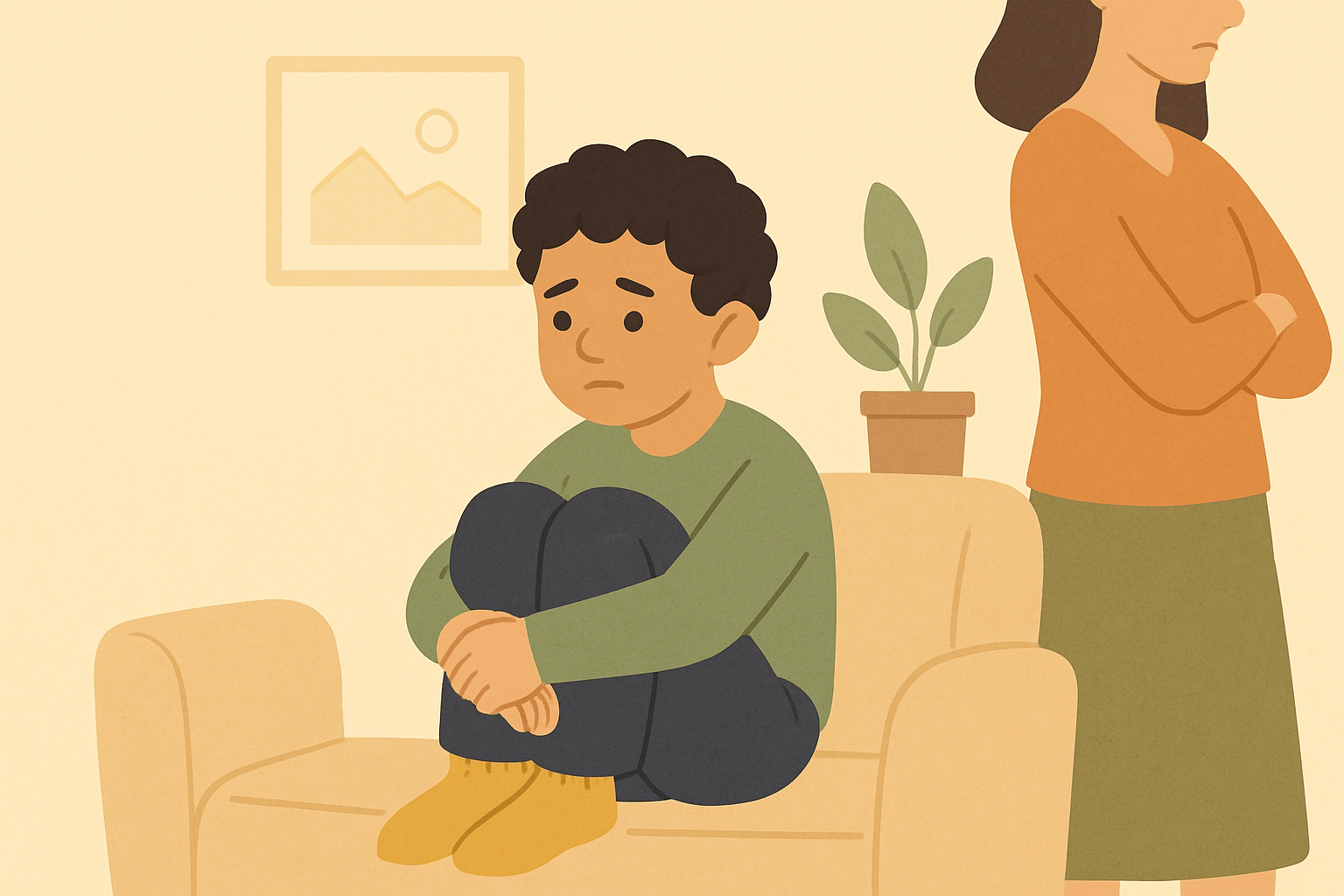
Kids Feel It When parents Won’t Talk
Silence doesn’t shield children—it confuses them. When parents stop communicating, even with the best intentions of avoiding conflict, kids feel the tension in the space between.
Co-parenting isn't just about splitting time. It's about creating emotional safety across two homes. That safety is built—or broken—by how well parents communicate.
Silence Sends a Message
When parents won’t talk, children often:
- Blame themselves for the lack of connection
- Feel responsible for acting as the messenger or peacekeeper
- Struggle with consistency, never knowing what to expect in each household
- Internalize anxiety, even if nothing is said aloud
Kids may not understand the details, but they know when something is off. The car rides, the hand-offs, the missed updates—they add up.
Consistency Requires Communication
You don’t have to agree on everything. But your child needs the comfort of knowing that both of their parents are working—however imperfectly—to stay on the same page about the things that matter:
- School projects
- Health concerns
- Bedtime routines
- Emotional struggles
- Life transitions
When communication breaks down, so does structure. And when structure breaks down, kids feel it in their behavior, sleep, school performance, and emotions.
How to Start Breaking the Silence
If communication has stopped, here are practical ways to begin rebuilding it—without reopening old wounds:
1. Start With Neutral Information
Don’t open the door with an emotional issue. Instead, share something small but helpful—like a reminder about a school event or an update on bedtime changes. Neutral ground builds trust.
2. Choose Clarity Over Emotion
You don’t have to write a long message. Just be clear, calm, and focused on your shared priority: your child. Stick to facts and avoid emotional tones or assumptions.
3. Use a Shared System
Whether it’s a notebook passed between homes, a calendar, or an app like TwoNest—start with something consistent and low-friction. The goal is to create routine communication.
4. Set Expectations Gently
You might say, “I’m going to start sending small updates just so we’re on the same page. No pressure to reply unless needed.” This takes the pressure off and shows respect.
5. Don’t Wait for Agreement to Begin
You can start being the communicator today. You don’t need permission to reduce confusion or help your child feel safe. Just start—and let consistency speak for itself.
Final Thought
You don’t need perfect cooperation to make a real difference in your child’s life. You just need to keep the lines open.
Because kids feel it when parents won’t talk—and they thrive when we do.
Ready to get started?
Create your TwoNest account today and start exploring.